Focused arrival windows
Useful updates and clear arrival timing.
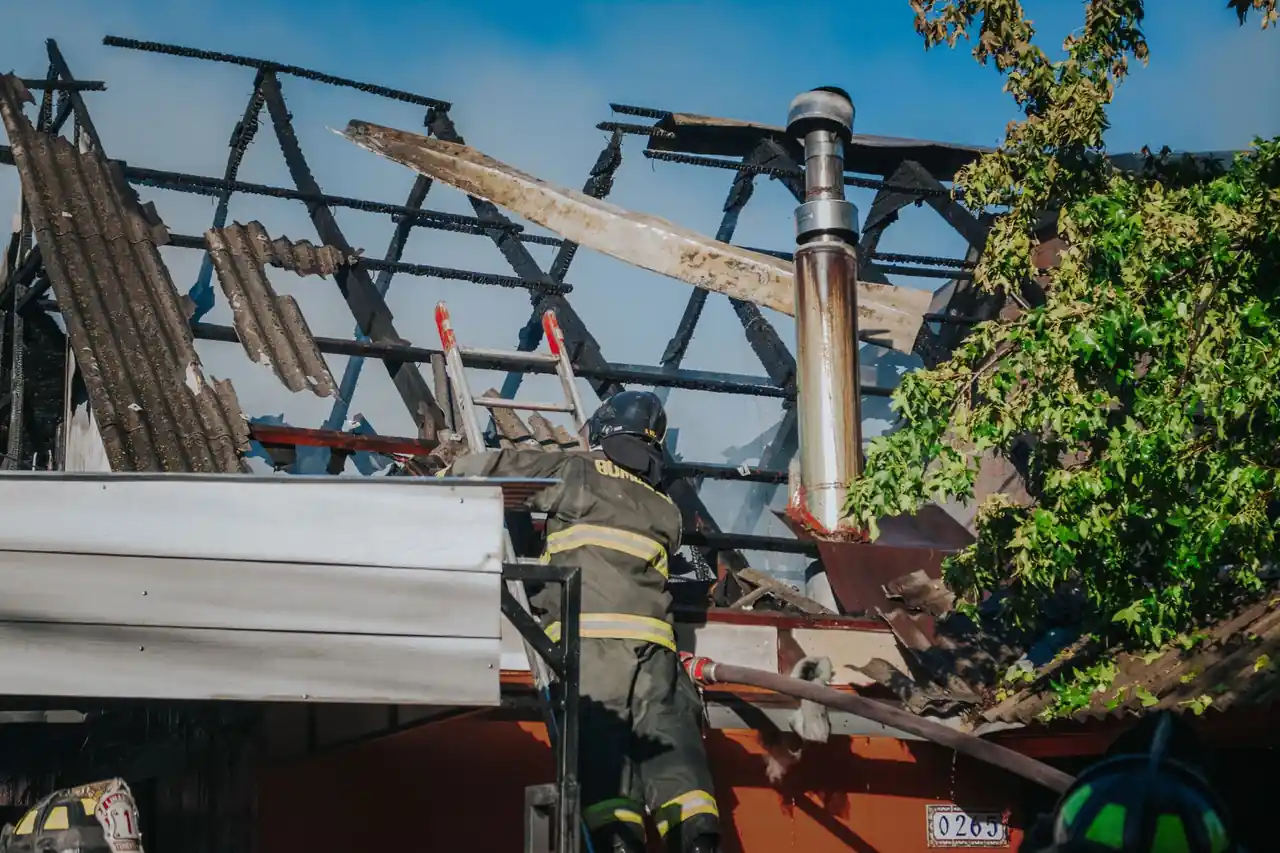
Roof Valley Leak Repair Conroe TX homeowners can count on starts with finding the actual source, not guessing at it. Valleys collect water from two roof planes at once, so a small gap in the flashing or underlayment turns into a ceiling water stain fast. We handle roof valley leak fixing in Conroe Texas for shingle, tile, and metal roofs, with same-day emergency response when a storm is pushing water inside.
Useful updates and clear arrival timing.
Review the approach and price before deciding.
Equipped vehicles and respectful cleanup.
Neighbors serving neighbors with follow-through.
Every valley repair starts with diagnosis and ends with a water test. Here is what is covered in a standard repair, and what we quote separately if your roof needs it.
We open the valley line, inspect the metal flashing, underlayment, and decking, and photograph what we find. You see the actual failure before we quote the fix, not after.
Corroded or improperly lapped valley metal gets replaced with new flashing set to manufacturer spec. We lap and fasten it correctly so runoff sheds instead of wicking under the shingles.
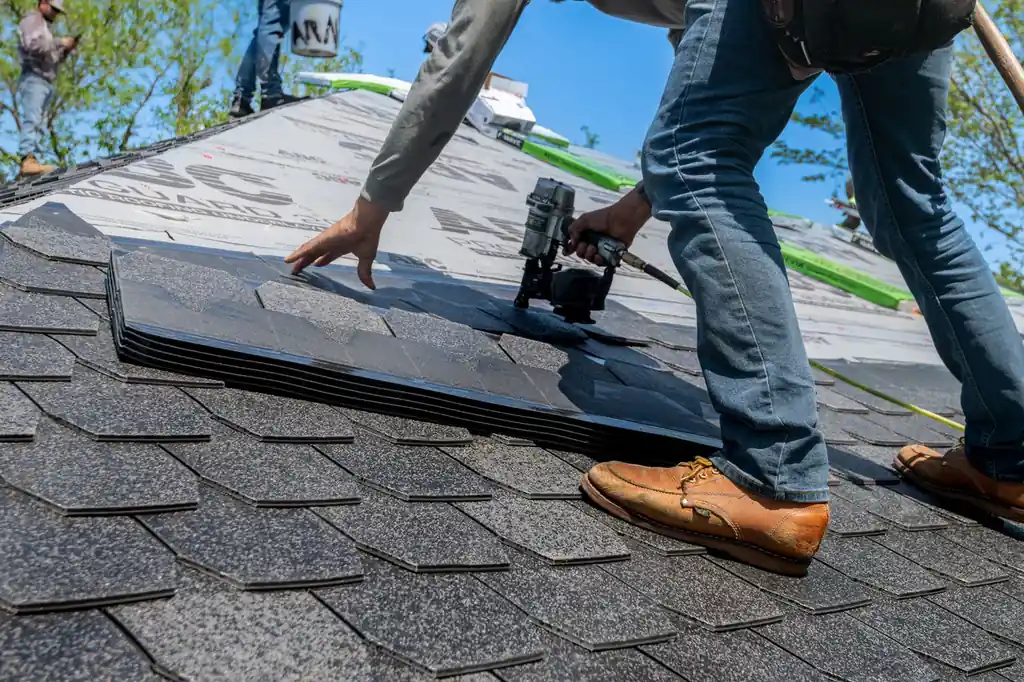
New underlayment goes down over the flashing, then matched asphalt shingles set with a roofing nail gun. The repair is built to the same standard as the rest of your roof.
We seal valley terminations and any nearby penetrations with roof sealant rated for Texas heat and UV. Old cracked sealant is removed first so the new seal actually bonds.
A controlled water hose test confirms the repair holds before we leave. We magnet-sweep for nails and haul off debris, so your yard and driveway are clean when we pull out.
Share what is happening and receive a clear next step from the local team.
Roof Valley Leak Repair Conroe TX is a focused roofing service that opens the valley channel, replaces failed flashing and underlayment, and rebuilds the water path so runoff never gets under your shingles. The valley is the V-shaped intersection where two roof planes meet, and it carries more water than any other part of the roof. We strip the area back to the deck, check for rot, and rebuild with new metal valley flashing, butyl tape, and a fresh course of asphalt shingles matched to your existing roof.
Conroe gets the kind of rain that finds every weak point. Spring storms dump two inches in an hour, then the sun bakes the roof at 140 degrees, and that expansion and contraction works sealant loose year after year. Homes in 77301 and 77304 with mature trees also collect pine straw and grit in the valley, which holds moisture against the flashing. If you have been searching for roof valley leak repair in Conroe TX near me after a ceiling stain showed up, that trapped debris is often the culprit.

You call (936) 304-3062 and describe what you are seeing: the stain, the drip, the storm that started it. We book a window, and for active leaks we roll a truck the same day. Most Conroe calls get a technician on site within a few hours.
We do not guess from the ground. A moisture meter and infrared thermal imaging camera map the wet path, and a roof inspection drone checks the valley from above before anyone climbs. On steep pitches we set a ladder stabilizer and harness before stepping onto the roof.
We pull the shingles back along the valley line with a pry bar and inspect the metal flashing and underlayment. This is where we find the real story: a nail head, a separated seam, or flashing that was never lapped correctly. You get photos of what we found.
New valley metal goes down, lapped and fastened to code, then butyl tape and underlayment, then shingles set with a roofing nail gun. We seal penetrations with roof sealant rated for Texas heat. A typical valley repair runs two to four hours on a single-story home.
Before we leave, we run a controlled water hose test over the repaired valley and watch the attic side. If it is dry, we magnet-sweep the yard for nails and haul off the debris. You get a summary of the repair and what to watch for next rainy season.
Finds trapped moisture under the valley by reading temperature differences, especially useful after sundown when the contrast is sharpest.
Confirms wet decking and insulation readings so we know the leak is active and where it entered, not just where it showed up.
Checks steep or high valleys from above before anyone climbs, so we plan the repair safely and see the full valley run.
Runs a controlled water test over the repaired valley to confirm the fix holds before we leave the property.
Opens the valley shingle course cleanly and resets new shingles with consistent, code-correct fastening.
Keeps the crew anchored and the ladder steady on two-story Conroe homes with steep pitches.
We build the valley to the method your shingle manufacturer specifies, whether that is an open metal valley or a closed-cut weave. Getting this right is what keeps the GAF or Owens Corning warranty valid.
We scan the valley and attic side with an infrared camera, then confirm readings with a moisture meter. This maps the wet path so the repair targets the entry point rather than the stain.
After the rebuild, we run water over the repaired valley with a hose and watch the attic side. A dry result is the proof the repair works, and we do not skip it.
Valley metal, butyl tape, and roof sealant go down in the sequence the manufacturer requires. We follow the spec because shortcuts at the valley are what cause repeat leaks.
We treat it as active intrusion, tarp if rain is still coming, and trace the source to the valley. The repair rebuilds the flashing and shingles at the entry point, then water tests. The stain stops spreading and the ceiling can be repaired once the roof is dry.
We inspect the flagged valley, document the condition with photos, and quote a targeted repair. If the flashing is still serviceable, we tell you that instead of selling a rebuild. You get a clear repair record for the buyer and avoid a last-minute price renegotiation.
We roll a truck for emergency roof valley leak repair Conroe TX same day, secure the valley with a tarp, and schedule the permanent rebuild for when the roof dries. The interior stays dry overnight and the permanent repair happens within a few days.
We inspect the valley and attic side, use an infrared camera to find trapped moisture, and repair the entry before it reaches the ceiling. You catch the leak before it costs you drywall and insulation replacement.
Conroe roofs take a specific beating. Summer heat pushes attic temperatures past 140 degrees, then spring and fall storms drop heavy rain in short bursts, and that cycle works valley sealant loose faster than in milder climates. Homes in 77301 and 77303 with mature pine trees collect straw in the valley, which holds moisture against the flashing. We also see hail damage in Montgomery County that dents valley metal and cracks shingles along the valley line, so we check for impact marks during every inspection. For roof valley leak repair in Conroe TX 77301 and the surrounding ZIPs, we schedule around the weather: permanent repairs go on dry days, and emergency calls get a tarp the same day. If you need 24/7 roof valley leak repair Conroe TX after a nighttime storm, we answer and dispatch.
Older homes with mature trees and original valley flashing that is often due for replacement after decades of pine straw buildup.
Mix of established and newer builds where two-story valleys need ladder stabilizer and harness work for safe access.
Homes near the research forest with heavy tree cover and shade that keeps valleys damp longer after rain.
Newer construction where we check that valley flashing was lapped to spec, since builder-grade work sometimes falls short.
Valleys carry more water in minutes than they do all week, so any flashing gap shows up fast as a ceiling stain.
Thermal expansion works sealant and fasteners loose, which is why we use heat-rated roof sealant and check fastening on every repair.
Trapped debris holds moisture against the flashing and speeds corrosion, so we clear and inspect the valley during every call.
Hail dents valley metal and cracks shingles, so we document impact damage for insurance during the inspection.
A homeowner in 77304 had a ceiling stain growing for three weeks. The valley flashing had separated from the underlayment, and water was running under the shingles instead of over them. Two prior patch attempts with roof cement had failed.
We rebuilt the valley with new metal flashing, fresh underlayment, and matched shingles. A water test ran clean, and the stain stopped spreading. The repair took about three hours and cost $640.
Maintenance: Keep the valley clear of pine straw and have the flashing checked after any hail event. A quick annual look prevents the debris dam that started this leak.
A storm tore shingles loose along the valley of a two-story home in The Woodlands, and water was entering the living room ceiling the same night. The homeowner called after 9 p.m. with active dripping.
We tarped the valley that night to stop the intrusion, then returned two days later when the roof dried. The permanent repair replaced the valley metal and shingles, and a water test confirmed it held. Total cost was $980.
Maintenance: After any storm with hail or high wind, walk the yard and look for shingle granules. Granule loss on the valley side is the first sign the shingles need a look.
A home in 77301 had years of pine straw packed into the valley, holding moisture against the metal until it corroded through. The attic insulation was damp and the decking had a soft spot near the valley edge.
We cleared the debris, replaced the corroded valley metal, replaced one sheet of decking, and rebuilt the shingles. The attic dried out, and the repair came in at $1,150 with the decking replacement included.
Maintenance: Clear the valley twice a year, especially after pine season. Keeping the valley open is the cheapest valley leak prevention there is.
Valley leaks show up in predictable ways, and each one points to a different failure. Here are the ones we fix most often for Conroe homeowners.
A stain that grows means active intrusion, and every storm pushes more water into the deck and insulation. Left alone, it reaches drywall and forces a ceiling replacement. We trace the stain back to the valley entry with a moisture meter, rebuild the failed flashing, and water test the repair. Most ceiling stains stop spreading after one repair visit.
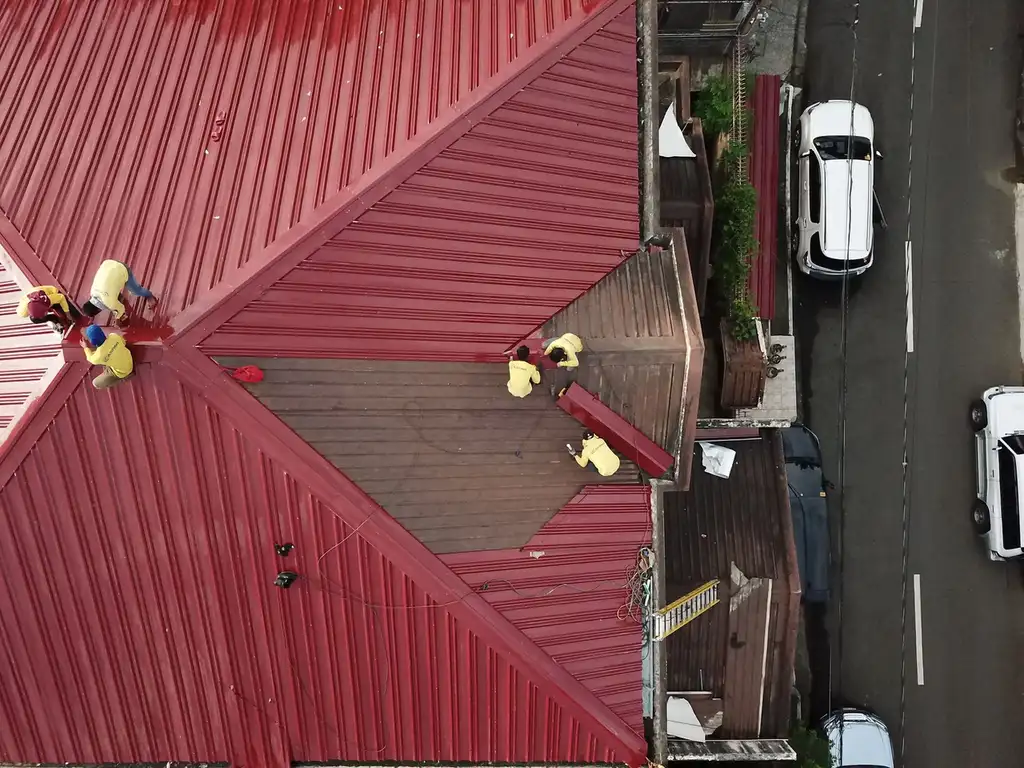
Separated valley metal lets water run under the shingles instead of over them. Corrosion opens pinholes that leak steadily, even in light rain, and rot the deck beneath. We replace the valley flashing with new metal, lap it correctly, and reseal the terminations. This is the core of our roof valley leak fixing Conroe work and usually takes two to four hours.
Pine straw and grit trap moisture against the flashing, and the valley stays wet for days after rain. That constant moisture breaks down sealant and speeds corrosion. We clear the valley, inspect for damage the debris caused, and repair any compromised flashing or shingles. We also show you how to keep the valley clear between storms.
Wet insulation loses R-value and feeds mold. Attic moisture that goes unaddressed can spread across the ceiling plane and into wall cavities. We inspect the attic side during the valley repair to confirm the deck is drying and no secondary path remains. If insulation is soaked, we flag it so it can be replaced.
Valleys are where amateur roof work shows up first. Our technicians are trained on open-valley and closed-cut valley construction for asphalt shingles, tile, and metal, and we follow GAF and Owens Corning installation specs on every rebuild. We carry OSHA 10 and OSHA 30 safety training, and our inspectors use HAAG Certified Inspector methods to document storm damage properly for insurance. We are a NRCA Member crew working under a Texas Roofing License, and we read Montgomery County wind and rain exposure the way a local should. That means we know which valleys on which side of the house fail first.
Most valley leak repairs in Conroe run $350 to $1,200 in 2026, depending on roof pitch, access, and how much decking needs replacement. A simple flashing and shingle rebuild sits at the low end; a valley with rotted decking and two stories of access sits higher. We give you the number before we start, and emergency tarping is quoted separately.
A licensed roofing contractor with valley-specific experience fixes them, not a general handyman. Valley work requires opening the shingle course, replacing metal flashing, and re-lapping underlayment to manufacturer spec. Our crew handles roof valley leak fixing Conroe Texas-wide, including tile, metal, and asphalt shingle roofs, and we document the repair with photos.
No, a permanent valley repair needs dry decking and dry flashing, so we do not install new material in active rain. What we can do is stop the damage: we tarp the valley and secure it the same day, then return when the roof is dry to do the permanent repair. That usually means a one-to-three-day gap after a storm.
A standard single-valley repair takes two to four hours on site, and most Conroe homeowners have it done in a single visit. Larger valleys, two-story access, or decking replacement can push it to a full day. We tell you the expected window when we schedule, and we do not leave a valley open overnight.
Not seeing your question? Our local team can help you understand urgency, scheduling and what to expect.
Ask the local team
When water shows up inside but the valley is not the source, our general roof leak repair service traces it to flashing, seams, or penetrations. We start with leak detection so you are not paying for the wrong fix.
View service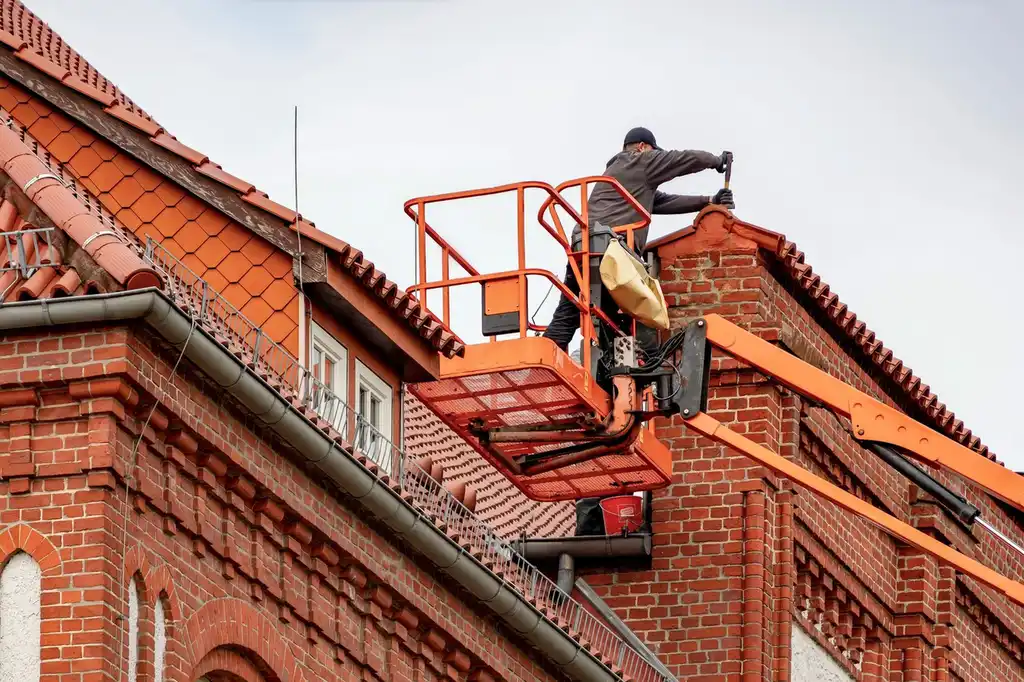
Valley damage often comes with lifted shingles, loose ridge caps, or storm-battered sections. Our roof repair crew handles the surrounding damage in the same visit so the valley rebuild is not undone by a nearby weak point.
View service
Valley repairs require lifting and resetting shingle courses, and cracked or granule-bare shingles cannot be reused. We match replacement asphalt shingles to your existing roof so the repaired valley blends in and seals correctly.
View serviceBefore any valley is opened, we confirm the leak source with a moisture meter and infrared thermal imaging camera. Proper detection keeps a valley repair from becoming an unnecessary reroof and saves you money.
View service
Call us at (936) 304-3062 any time, day or night. We answer live during business hours and our emergency line stays open 24/7 for active leaks. Most Conroe calls get a same-day inspection, and you will always get a written price before we start work.