Focused arrival windows
Useful updates and clear arrival timing.
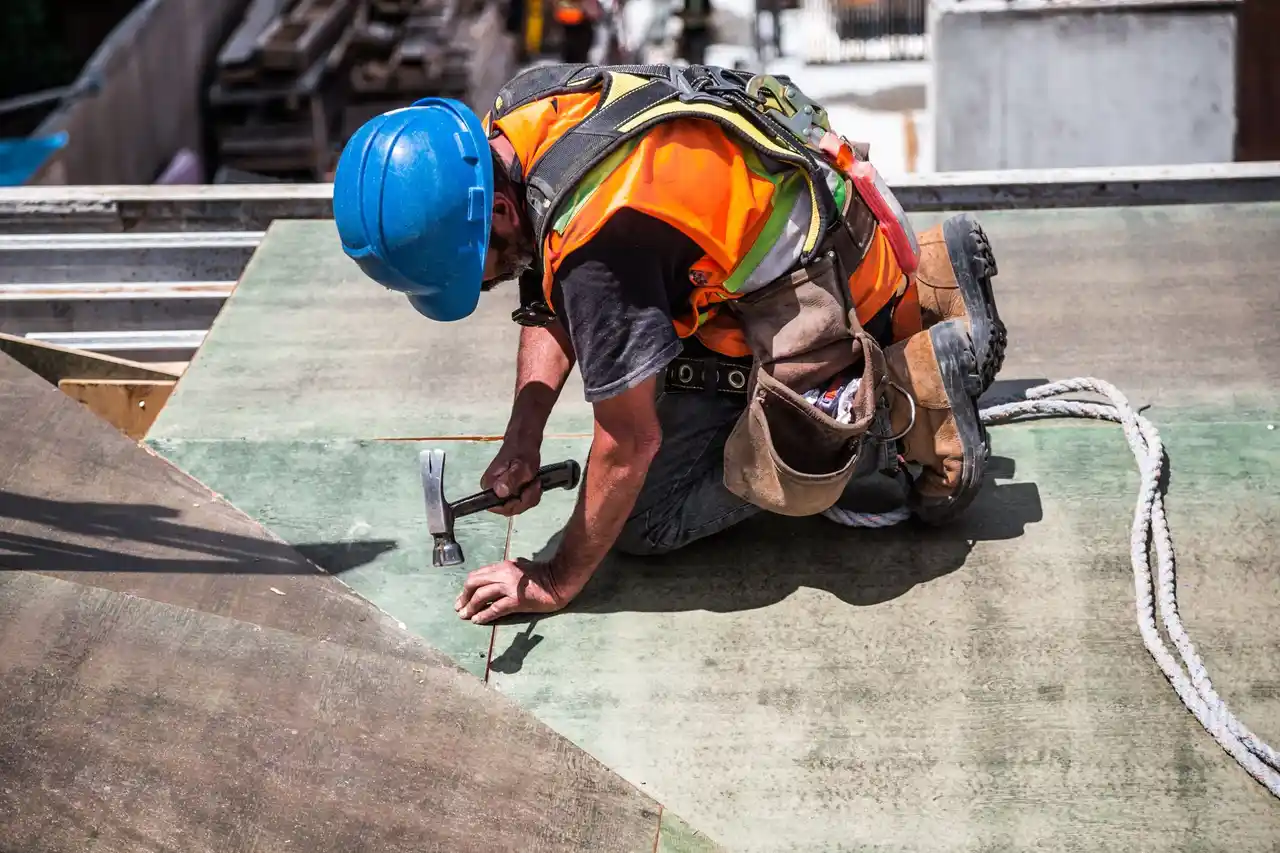
Infrared Roof Leak Detection Conroe TX uses thermal imaging cameras to find the exact source of a leak without tearing your roof apart. If you have a ceiling water stain, attic moisture, or a leak that three other roofers could not trace, our thermal roof leak detection Conroe Texas service maps the moisture in minutes. We scan, mark, and show you the evidence before any repair begins.
Useful updates and clear arrival timing.
Review the approach and price before deciding.
Equipped vehicles and respectful cleanup.
Neighbors serving neighbors with follow-through.
Every scan includes the diagnostic work and the report. Repair work is quoted separately once we confirm the source, and you approve it before we start. If you only need the diagnosis, that is all you pay for.
We scan the roof surface and the attic side of the deck with an infrared thermal imaging camera, covering the full roof area rather than just the spot above the stain. Most homes take 60 to 90 minutes.
Every thermal anomaly is checked with a pin or pinless moisture meter so you get a confirmed reading, not a guess. We record the readings and include them in your summary.
When the scan points to a valley, chimney, or skylight, we run a controlled water hose test on the flashing to confirm the entry point before recommending repair.
We mark the confirmed leak point on the roof and show you the spot from the ground or on the tablet, so you know exactly what we found and why it matters.
You get the thermal images, moisture readings, and a plain-language summary of the cause and the recommended repair. It is the documentation your insurance adjuster or warranty company will ask for.
Share what is happening and receive a clear next step from the local team.
Infrared Roof Leak Detection Conroe TX is a diagnostic service that uses an infrared thermal imaging camera to read temperature differences across your roof deck and ceiling, revealing trapped moisture that is invisible to the eye. Wet insulation and saturated decking hold heat differently than dry material, so the camera shows a clear thermal signature. We scan from the attic and the roof surface, then confirm each suspect area with a moisture meter before we call it a leak.
Conroe roofs take a beating. Summer attic temperatures push past 140 degrees, then fall storms dump two inches in an hour and the deck cools fast. That swing is exactly what thermal imaging reads best. Homeowners in 77301 and 77304 call us most often after a ceiling water stain appears weeks after the storm that caused it. If you have been searching for infrared roof leak detection in Conroe TX near me, we run scans seven days a week.
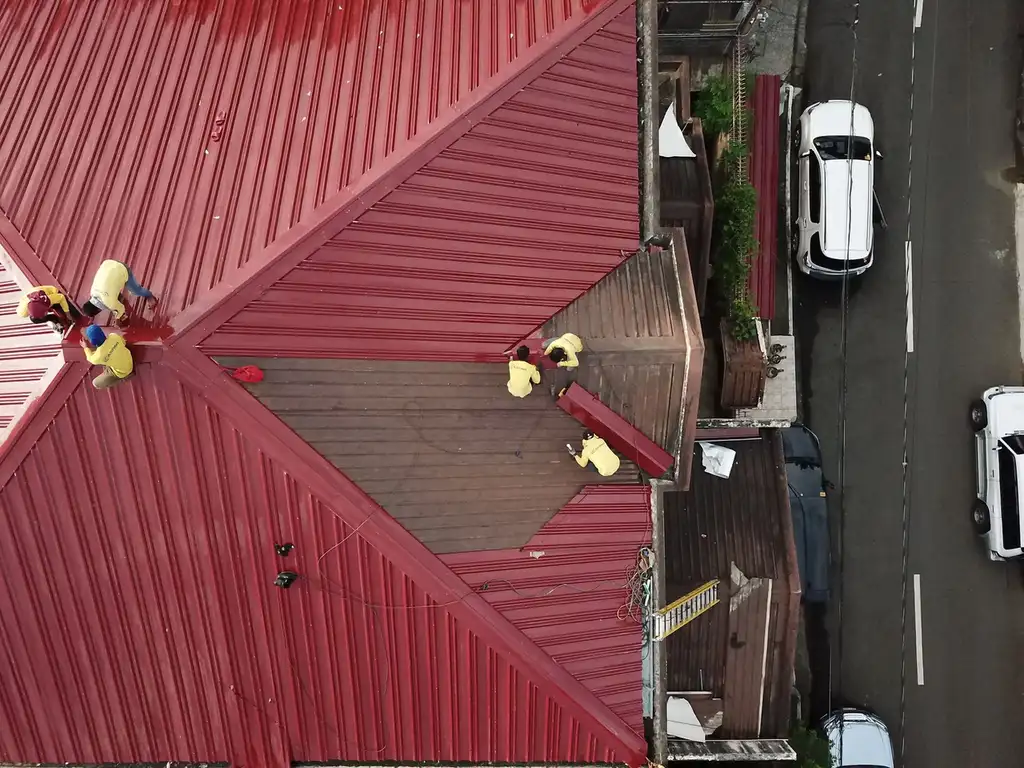
You call (936) 304-3062 and describe the stain, drip, or attic moisture. We ask when it started, whether it worsens during rain, and what is below the wet spot. That five-minute conversation tells us whether to scan the attic, the roof surface, or both, and we schedule a same-day or next-day window.
Our technician walks the roof with an infrared thermal imaging camera and scans the attic side of the deck. We look for cool or warm anomalies against the surrounding field, then cross-check each one with a moisture meter. The scan itself runs 60 to 90 minutes on most Conroe homes.
A thermal signature alone is not proof. We confirm every suspect area with a pin or pinless moisture meter and, where needed, a water hose test kit on the flashing or valley. You get a confirmed reading, not a maybe, before we discuss repair options.
We show you the thermal images on a tablet, point to the exact spot on your roof, and explain what caused the leak. You see the pipe boot crack or the lifted flashing yourself. No jargon, no pressure, and a clear price before any repair work starts.
If you approve the repair, we fix the leak the same visit when parts allow, then re-scan the area to confirm it is dry. Most flashing and pipe boot repairs take two to four hours. You leave with scan images, moisture readings, and a written summary for your records.
Reads temperature differences across the roof deck and ceiling to reveal trapped moisture. It is the core tool on every scan and shows the wet zone in real time.
Confirms every thermal anomaly with a pin or pinless reading, so we verify the leak before recommending repair.
Runs controlled water on flashing, valleys, and skylights to confirm the entry point when the thermal image points to a junction.
Checks steep or high sections safely and gives us a second angle on the thermal scan before we climb.
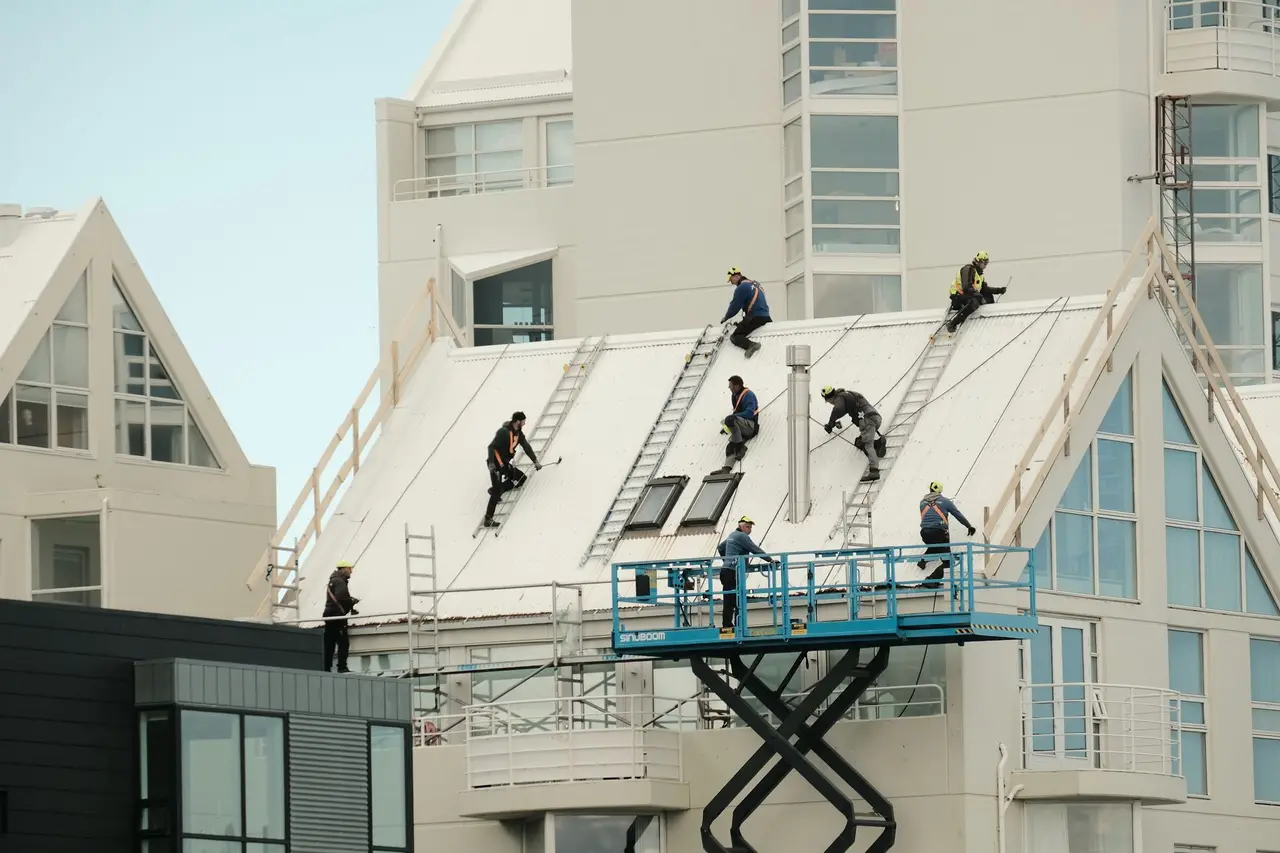
Keeps our technicians safe on steep pitches and two-story roofs, which is standard on every Conroe scan.
Used during the repair phase to open the confirmed spot and reseal it with roof cement or sealant matched to your roof.
Speeds shingle repair after the scan confirms the leak, so the repair is finished the same visit when parts allow.
We scan when the roof deck temperature swing is strongest, usually a sunny afternoon or a cool clear morning. The temperature difference between wet and dry material is what makes the leak visible on camera.
Scanning from inside the attic confirms what the roof-surface scan shows and catches moisture that has not reached the ceiling yet. We run both angles on most homes.
We record moisture readings across the suspect zone and map the wet boundary, which tells us how far the repair needs to extend and whether decking needs replacement.
When the source is ambiguous, we isolate sections with controlled water and re-scan to confirm which junction is leaking before any repair begins.
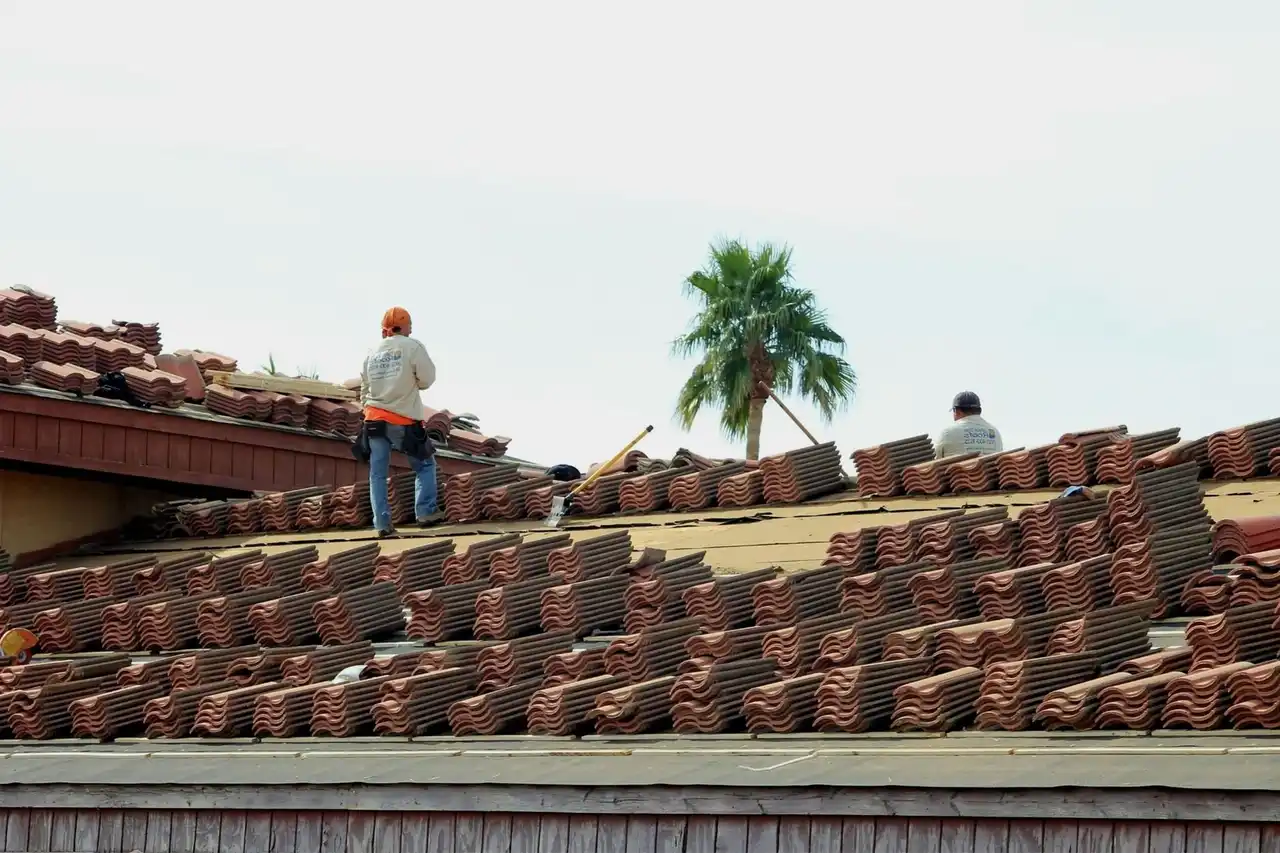
We run a full thermal scan of the roof and attic, confirm the wet zone with a moisture meter, and mark the entry point. Most scans are scheduled same-day or next-day. You know exactly where the leak is and what it will take to fix it, usually within one visit.
We scan the area the patches covered and the surrounding deck to find the moisture the patches missed. Then we repair the confirmed source instead of adding more sealant. The leak stops at the real entry point, and the repeat call ends.
A pre-purchase thermal scan reads the deck for hidden moisture that a visual inspection misses. We document the findings so you can negotiate or budget for the repair. You know the roof condition before you sign, not after the first storm.
We scan the TPO or EPDM membrane and the insulation below, locate the wet zone, and repair the seam or penetration at the confirmed spot with minimal disruption. The tenant leak is fixed without tearing up the whole roof.
Conroe sits in Montgomery County, where the climate swings hard between a humid summer and a storm-heavy spring and fall. Attic temperatures above 140 degrees in July and fast-cooling decks after a fall front create the thermal contrast our cameras read best. The building stock matters too: older homes near downtown Conroe often have original pipe boots and aging flashing, while newer builds in 77384 and 77303 tend to leak at valleys and skylights. We schedule thermal roof leak detection Conroe Texas scans around the weather, because heavy rain blurs the reading. If you need 24/7 infrared roof leak detection Conroe TX after a storm, we tarp first and scan when the deck dries. Texas Roofing License and OSHA 30 safety practices apply on every roof, and we follow NRCA Member guidance on flashing and penetration details.
Older homes here often have original pipe boots and aging flashing, which are the most common thermal signatures we find.
Larger two-story roofs with complex valleys and skylights need attic-side scanning to confirm the wet zone.
Many homes back onto green space, and shaded north slopes stay wet longer, which shows clearly on a thermal scan.
Rural properties often have metal and outbuilding roofs where fastener leaks show as tight thermal anomalies.
Larger lots and tree cover mean debris-clogged valleys, a frequent source of valley leak calls we scan.
Creates a strong thermal contrast that makes wet decking easy to read, so summer scans are fast and accurate.
The rapid temperature drop highlights wet insulation, which is why fall is one of our busiest scan seasons.
Storm damage drives emergency scan calls, and we tarp active leaks first, then scan when conditions allow.
Shaded slopes dry slowly, so moisture lingers and shows up clearly on the thermal camera even days after rain.
A ceiling stain spread across a bedroom ceiling in 77304 after two storms. Two roofers patched shingles above the stain, but the drip returned each time. The homeowner had spent $600 on patches with no fix.
A thermal scan found a cracked pipe boot eight feet from the stain. We replaced the boot and re-scanned the deck, which read dry. The repair took under two hours and the stain has not returned through two storm seasons.
Maintenance: We recommend checking pipe boots every two years and after any hail event, since cracked rubber is the most common leak source we find on Conroe roofs.
Water ran down a valley and showed up at a living room ceiling in The Woodlands. The valley flashing looked intact from the ground, and a visual inspection found nothing. The homeowner was ready to replace the whole roof section.
The thermal scan showed wet decking along 12 feet of valley. We re-laid the valley flashing and sealant at the confirmed point, replaced two courses of shingles, and re-scanned to confirm the deck was dry. The repair cost a fraction of the replacement quote.
Maintenance: Keep the valley clear of leaf debris and have the flashing checked after every major storm, since valley leaks start small and travel.
A property manager noticed attic moisture during a routine check but found no ceiling stain. A visual roof inspection showed no obvious damage, and the source stayed unknown for weeks while the decking stayed wet.
The thermal scan read wet sheathing around a vent boot on the back slope. We replaced the boot, corrected the attic ventilation, and the moisture readings dropped to dry within a week. No mold, no drywall replacement.
Maintenance: Annual attic moisture checks before the rainy season catch this early, and we scan rental properties on a scheduled basis for that reason.
Most leaks we scan have already been patched once or twice. Thermal imaging finds the real entry point so the next repair is the last one.
The stain spreads and the drywall softens while you wait, and mold can start within 48 hours in a Conroe attic. We scan the deck above the stain and trace the moisture back to the entry point, which is often a pipe boot or flashing feet away. Then we fix that spot and confirm the deck is dry.
Repeat patches add cost and hide the real source, and the deck rot keeps spreading under the shingles. A thermal scan reads the wet zone the patches never addressed. We confirm the source with a moisture meter and repair the actual failure, whether it is seam separation or a valley leak.
Saturated sheathing rots the deck and feeds mold, and the damage stays hidden until the ceiling gives. We scan from inside the attic, where wet sheathing shows clearly, and catch the moisture before it reaches the drywall. Early detection keeps the repair small.
Claims get delayed or denied without evidence tying the leak to the storm. We hand over thermal images and moisture readings that show the wet zone and the damage pattern, which is the documentation adjusters ask for on hail and wind claims.
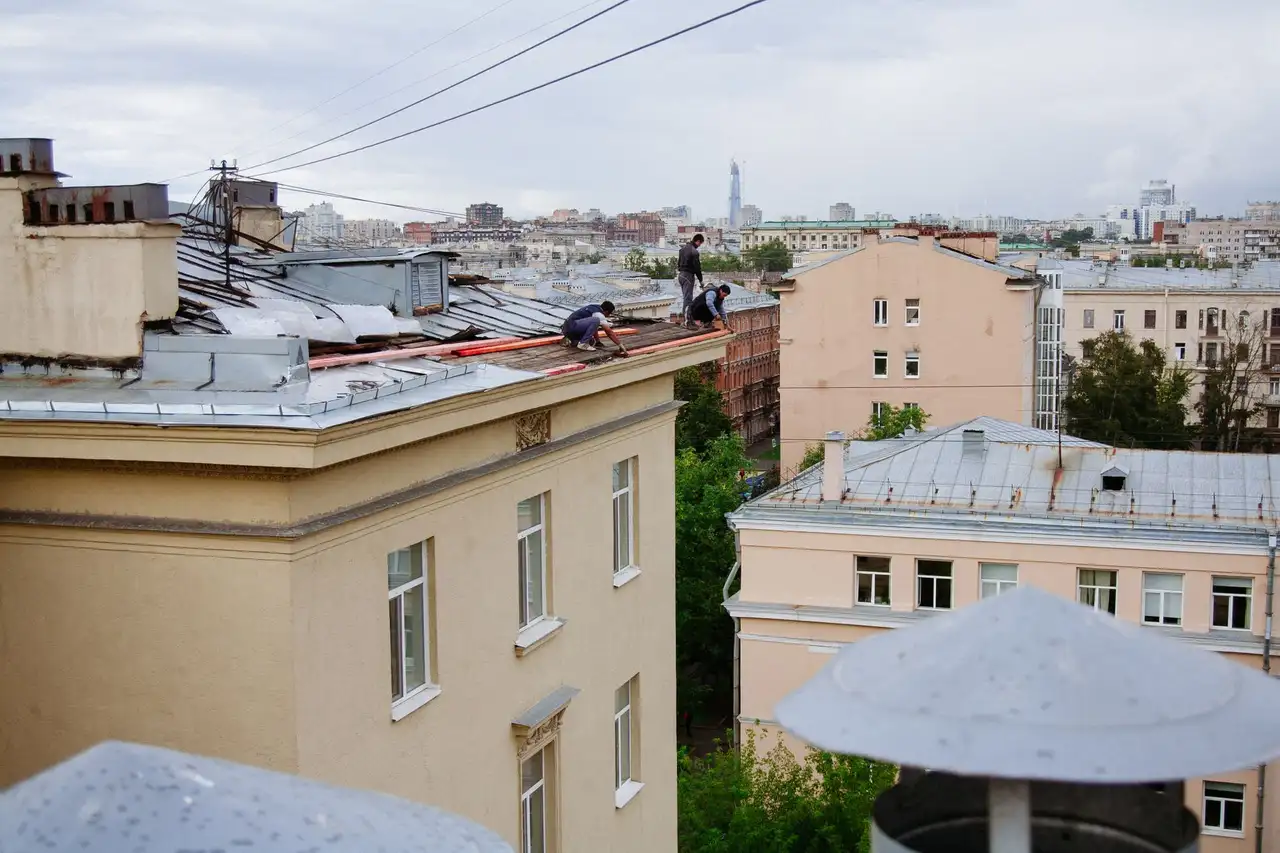
Our technicians are trained on infrared thermal imaging cameras and moisture meters, and we follow the same diagnostic sequence on every roof. We are a NRCA Member crew working under a Texas Roofing License, with OSHA 10 and OSHA 30 safety training on every job site. We have scanned roofs across Montgomery County for shingle damage, flashing leaks, and chimney leaks that other contractors could not trace. When a scan points to storm damage, our HAAG Certified Inspector training helps us document it correctly for your insurance carrier.
Most scans run $185 to $450 in 2026, depending on roof size, attic access, and how many suspect areas need verification. A single-story 1,500 square foot home sits at the low end; a two-story with a steep pitch and tight attic sits higher. We quote the scan price before we come out, and if you approve the repair, we credit the diagnostic fee toward the work.
Roof Leak Repair Conroe Pros does. We run infrared thermal imaging cameras and moisture meters across Conroe, The Woodlands, Willis, and Montgomery. Call (936) 304-3062 and we will schedule a scan, usually same-day or next-day. We are a NRCA Member crew under a Texas Roofing License, and we show you the thermal images before recommending any repair.
An infrared thermal imaging camera reads temperature differences on your roof deck. Wet insulation and saturated sheathing hold heat differently than dry material, so the camera shows a thermal signature at the leak. We scan the attic and roof surface, confirm each spot with a moisture meter, and mark the entry point. The scan takes 60 to 90 minutes on most homes.
Light rain is workable, but heavy rain and standing water blur the thermal reading, so we reschedule to the next dry window, often the same week. The best conditions are a sunny afternoon or a cool clear morning when the roof deck temperature swings. If you have an active leak, we can tarp the area first and scan as soon as the weather breaks.
Not seeing your question? Our local team can help you understand urgency, scheduling and what to expect.
Ask the local team
Once the thermal scan pinpoints the entry point, our roof leak repair crew fixes the flashing, boot, or shingle damage the same visit when parts allow. You get the diagnosis and the repair from one crew, with no handoff and no second trip.
View service
Thermal imaging often reveals shingle damage or deck rot beyond the leak itself. Our roof repair team replaces the damaged section, matches your GAF or Owens Corning shingles, and re-scans to confirm the area is dry before we leave.
View service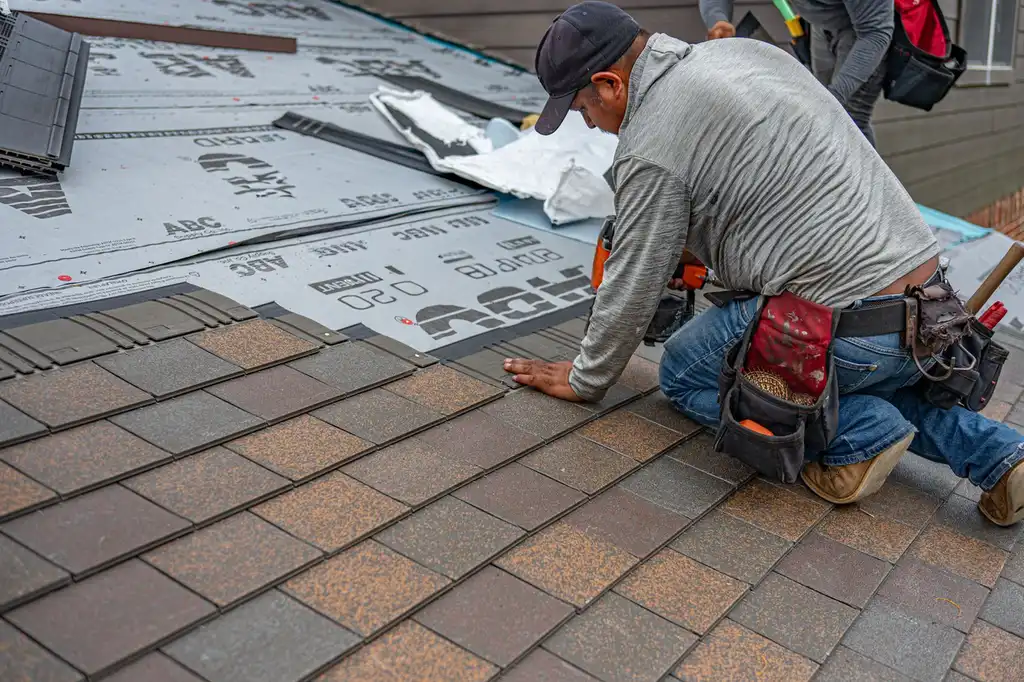
A cracked or lifted shingle lets water in behind the course below, and the stain shows up feet away. After the scan locates the wet zone, our shingle repair crew replaces the damaged shingles and seals the surrounding course with roof cement.
View service
Infrared scanning is one tool in our roof leak detection kit, alongside moisture meters and water hose test kits. When thermal imaging needs backup on a tricky valley or chimney leak, we combine methods to confirm the source before repair.
View serviceCall us at (936) 304-3062 any time, day or night. We answer live during business hours and our emergency line stays open 24/7 for active leaks. Most Conroe calls get a same-day inspection, and you will always get a written price before we start work.